
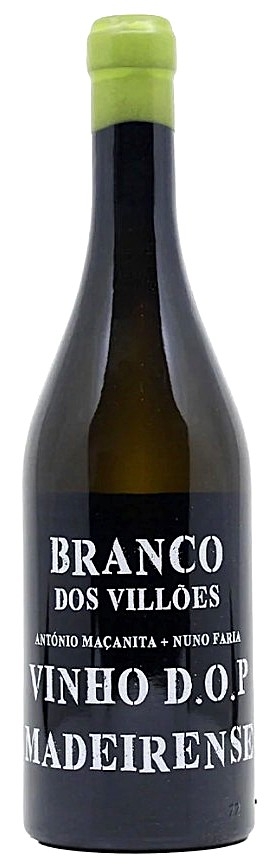
Branco dos Villões
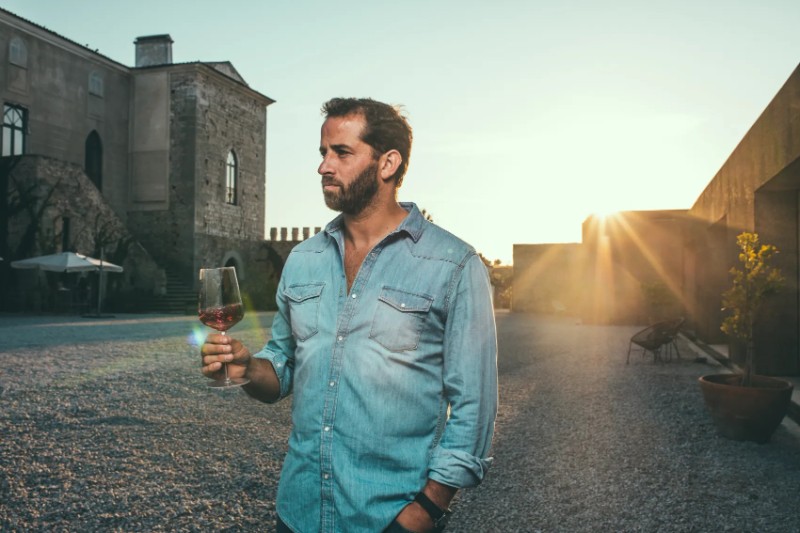
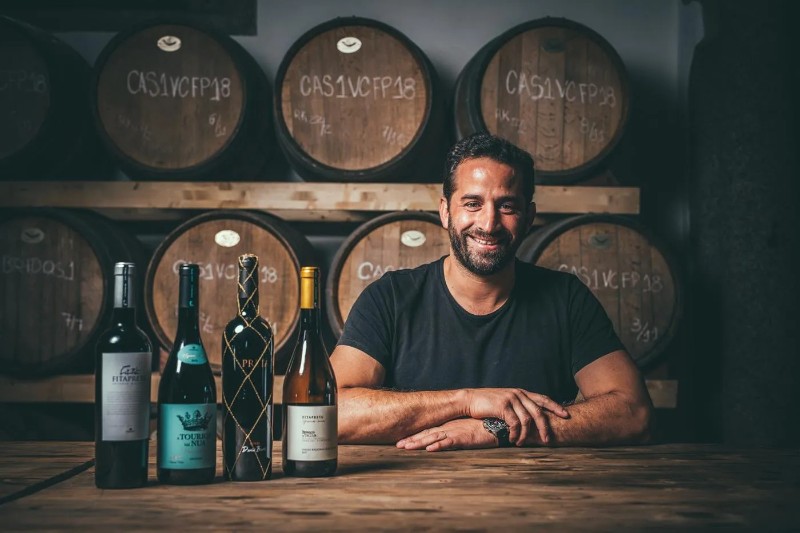
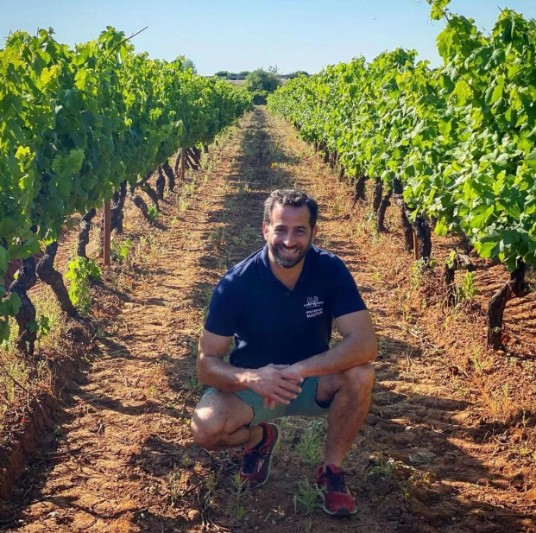
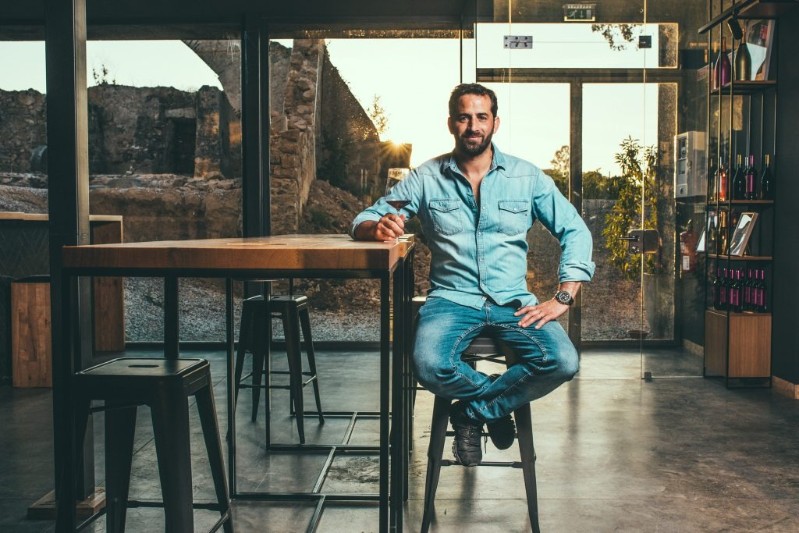
<< Previous wine Next wine >>This project, led by António Maçanita and Madeiran restaurateur Nuno Faria, celebrates the unique potential of Portugal's Madeira islands. Maçanita is known for reviving forgotten grape varieties and winemaking techniques, including the first Negra Mole wine in the Algarve and rare varieties like Tinta Carvalha and Alicante Branco in Alentejo. His most notable achievement is the revival of Terrantez do Pico and Arinto in the Azores, transforming Azorean wines. In 2021, inspired by Porto Santo's low-growing vines, Faria challenged Maçanita to create Companhia de Vinhos dos Profetas e Villões (The Wine Company of Prophets and Villains). This project honors the islands' terroir and the playful rivalry between Madeirans ("Villões") and Porto Santans ("Profetas"). The wines embody the audacious spirit of these islands and their communities, merging Maçanita’s expertise with Porto Santo's heritage and reinforcing his commitment to revitalizing Portugal’s winemaking traditions through bold, unique wines.
WHAT MAKES THIS WINE UNIQUE?
Branco dos Villões connects Madeira and Porto Santo in one wine. Sercial and Terrantez (Folgasão), two grapes that helped establish Madeira’s historic wine identity, grow on the island’s steep volcanic soils before traveling to Porto Santo for vinification. Its name captures the playful rivalry between the islands: Porto Santans call Madeirans “Villões,” while Madeirans call them “Profetas.” The result is a distinctive expression of island heritage, volcanic minerality, and pronounced salinity.GRAPE:
A blend of Sercial and Terrantez (also know as Folgasão). The grapes come from 12- to 30-year-old, pergola-trained vines grown on acidic volcanic soils in Seixal, Ponta do Pargo, and São Vicente.PAIRING SUGGESTIONS:
Seafood and fatty fish. Its high acidity, minerality, and salinity provide balance with these dishes.VINIFICATION AND AGING:
The grapes were harvested by hand on Madeira and transported to Porto Santo in 40-kilogram boxes. After sorting, the whole clusters were pressed directly into settling tanks and separated into three fractions. No SO₂ was used until fermentation finished, allowing pre-oxidation of the must and a fuller spontaneous fermentation. The wine fermented in horizontal stainless-steel vats and remained on full lees for nine months. It was aged entirely in 265-, 550-, and 1,000-liter stainless-steel vessels.LOCATION, SOIL, CLIMATE:
The island of Madeira is situated in the Atlantic Ocean approximately 435 miles west of the African coast and 610 miles southwest of Lisbon. It has a mild, subtropical climate with high humidity (around 77% year-round), characterized by warm to hot summers and mild winters, with minimal temperature variation. The northern region receives more rainfall than the south, creating diverse microclimates ideal for grape cultivation. The island's volcanic, sandy, and calcareous soils are rich in iron and phosphorus but low in potassium, promoting high acidity and sugar levels in grapes. This unique combination of climate and soil contributes to the distinctive terroir and quality of Madeira wines.TASTING NOTES:
Pale yellow. Pure citrus aromas with notes of fresh, tart fruit. The palate is tense and acidic, with pronounced salinity and good persistence.ALCOHOL CONTENT:
12%UPC CODE:
5600735074168Love this wine?
We'll keep you in the loop about special edition cases, recipes to pair, winemaker events and more.
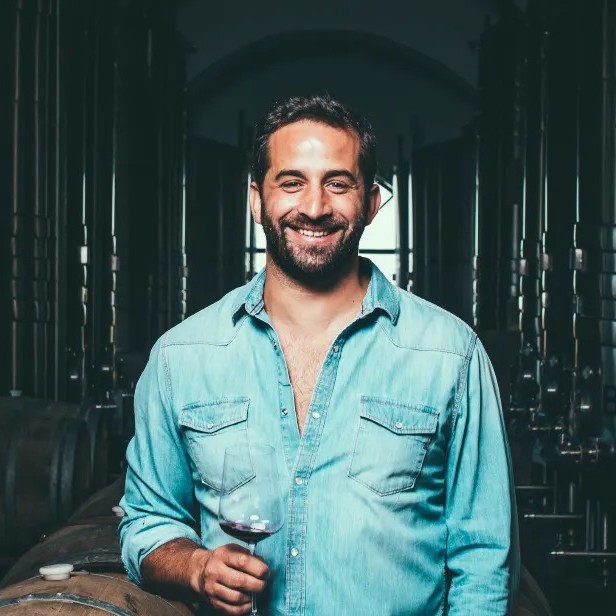 António Maçanita Winemaker bio