
Wines from Juan Carlos & Celia Vizcarra
AlejandraCelia
Inés
JC Vizcarra
Senda del Oro
Torralvo
Torralvo Gran Reserva
Vizcarra Garnacha
Vizcarra Merlot
Vizcarra Rosado
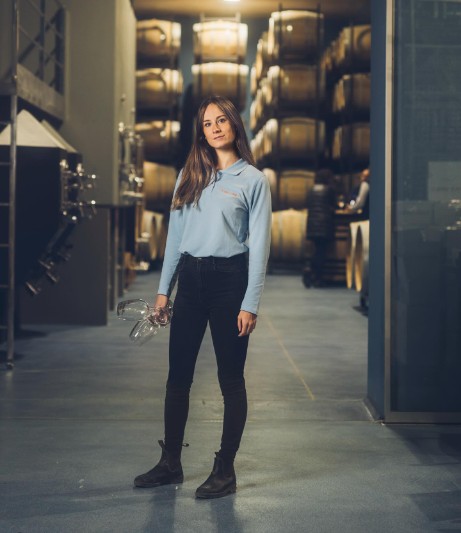
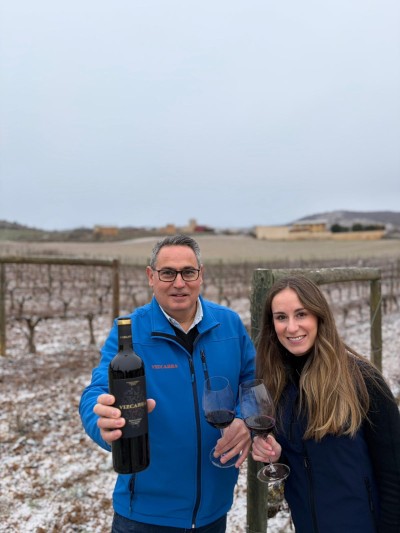
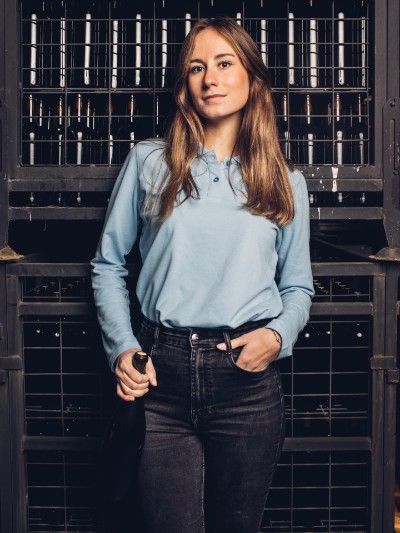
Juan Carlos & Celia Vizcarra
Vizcarra
Ribera del Duero, Spain
Download PDF
The Vizcarra family’s legacy can be traced back to 1780, when the family sold 16-liter demijohns of wine along the border zones of Segovia and Burgos. At that time, wine was part of village life rather than a commercial pursuit. This deep connection to place remains central to Vizcarra today. Being winegrowers has always meant living alongside the land, understanding it, caring for it, and allowing its essence to speak through the vines.
Ribera del Duero, now one of Spain’s most respected appellations, was not always recognized for its potential. Until forty years ago, most grapes were destined for bulk wine, and few producers believed in the region’s capacity for fine, age-worthy wines. In the 1980s, José Manuel Vizcarra Aguado recognized the promise of the old plots surrounding Mambrilla de Castrejón and began meticulously working the land and planting vineyards. Many of these vineyards, established during that period, remain at the heart of the estate today. His fruit quickly attracted the attention of leading wineries seeking to supplement their own holdings.
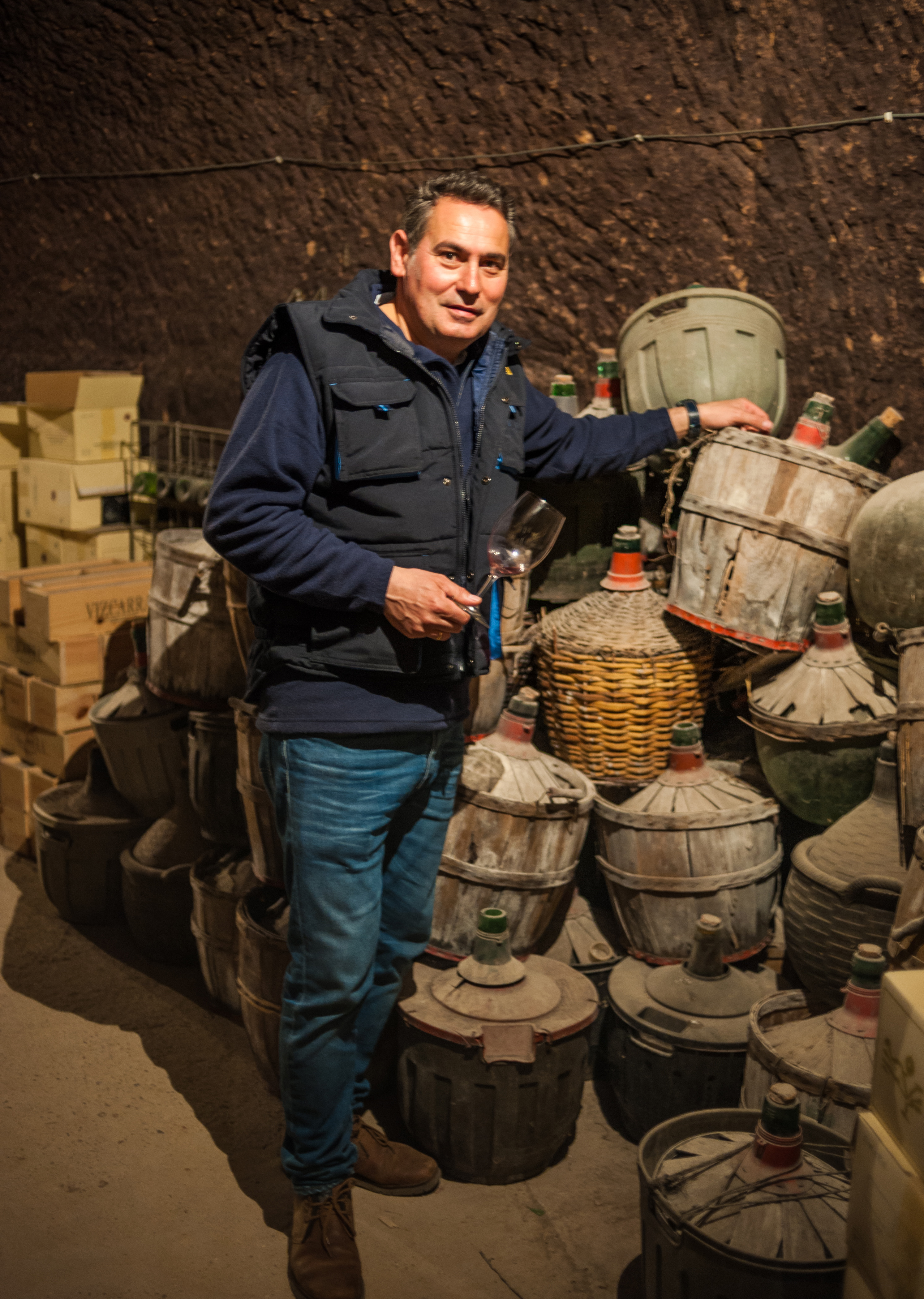
In 1991, his son Juan Carlos Vizcarra joined him at the bodega, becoming the first in the family to produce estate-bottled wines from their own vineyards. After studying enology in Rioja, Juan Carlos returned with renewed technical grounding and a clear vision. His curiosity and willingness to challenge convention led him to produce Ribera del Duero’s first red wine made using carbonic maceration in 1995, well before the technique became widely adopted. The wine earned immediate acclaim and multiple awards, establishing Vizcarra as a serious voice in the region.
Today, Bodegas Vizcarra is one of Ribera del Duero’s most highly awarded producers, recognized for precision microvinification and wines built for long-term balance. Juan Carlos is widely regarded as a pioneer of Spain’s garagiste movement, championing small-lot, terroir-driven wines rooted in traditional farming and village identity. Central to this philosophy is the belief that wine quality should be defined by vineyard expression and fruit quality rather than by time spent in barrel alone.
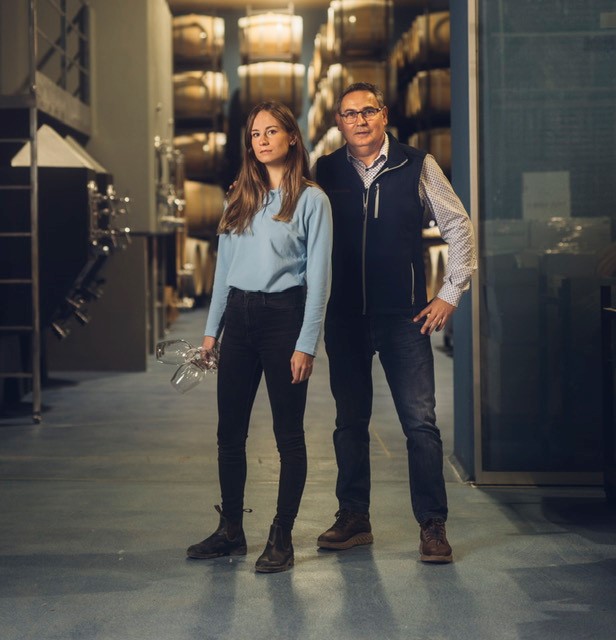
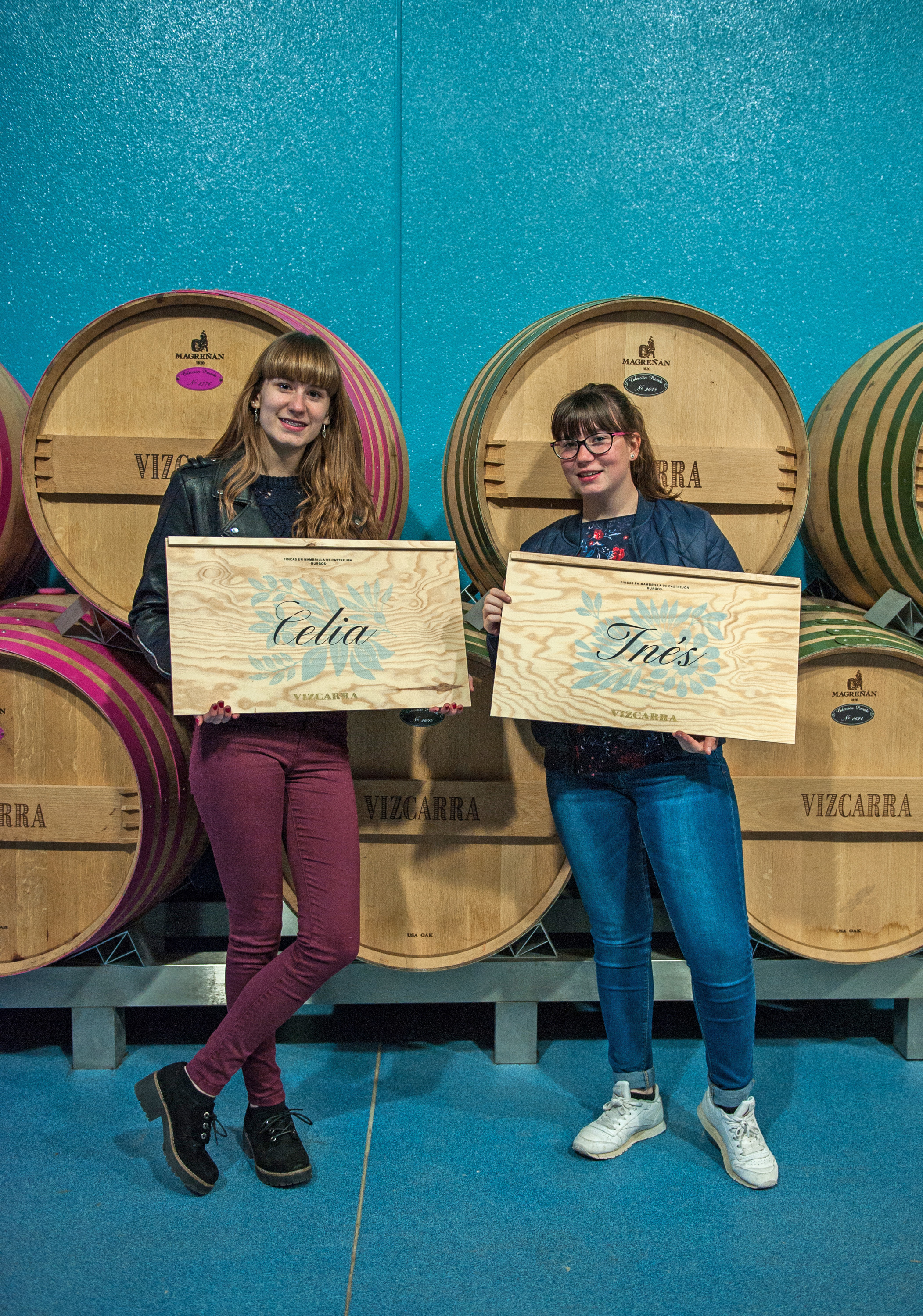
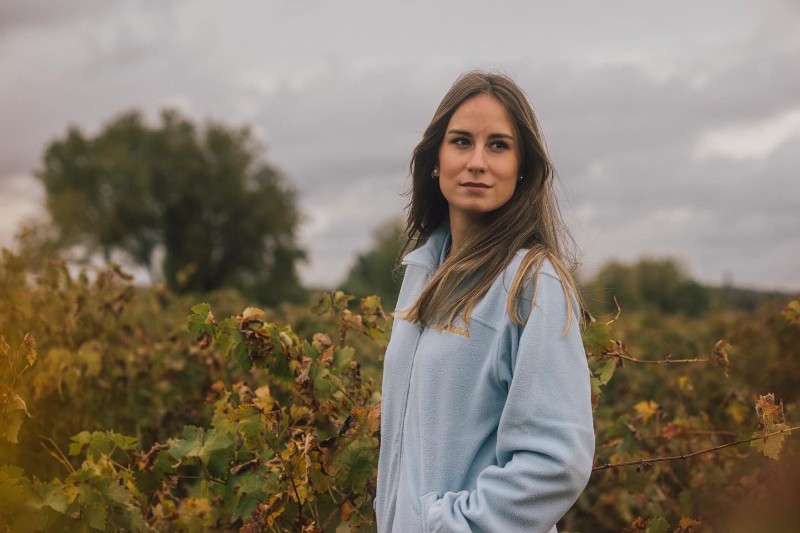
That philosophy continues through the next generation. Juan Carlos works closely with his daughter Celia Vizcarra, who plays an active role as a winemaker, contributing in both the cellar and the vineyards. Her disciplined, detail-driven approach reflects the estate’s commitment to balance, healthy soils, and old vines. The family’s top vineyards and flagship wines bear the names of Juan Carlos’ daughters, underscoring the deeply personal nature of the estate. Inés also remains an important source of inspiration for the family. Together, they embody continuity, family values, and long-term vision.
IN THE VINEYARD
Bodegas Vizcarra is comprised of 55 hectares of organically farmed vineyards, now officially certified in organic viticulture. The estate’s vineyards are located at elevations approaching 3,000 feet above sea level, in one of Europe’s most extreme viticultural regions. Ribera del Duero is defined by low rainfall, severe frost risk, and dramatic temperature swings. Summers are intensely hot, yet Tempranillo thrives when guided by careful, hands-on farming.
All vineyard work is carried out by hand, from hoeing to harvest, with fruit picked into small boxes to preserve integrity. Cover crops of herbs and wildflowers promote soil health, biodiversity, and natural balance. Achieving tannin maturity while retaining natural acidity is the region’s primary challenge. This is addressed through precise canopy management, green harvesting, and slow, even ripening. Celia is directly involved in this work alongside her father.
Biodynamic principles inform the estate’s approach, including pruning and bottling aligned with the lunar calendar. The oldest vines on the property date back to the 1940s and yield concentrated fruit through careful pruning and vintage-specific cluster thinning. Juan Carlos also leads research into underexplored varieties in Ribera del Duero, including Garnacha, producing the region’s only varietal example, and Albillo Mayor, now officially authorized by the DO. Tempranillo remains the foundation of the estate, accounting for 51 of its 55 hectares.
IN THE CELLAR
Winemaking at Bodegas Vizcarra begins with rigorous fruit selection. Grapes are hand-harvested, analyzed at both cluster and berry level, and sorted multiple times prior to vinification. Celia works closely with Juan Carlos throughout the process, participating in selection, fermentation decisions, and hands-on cellar work that defines Vizcarra’s style.
Extreme cleanliness and careful oxygen management allow for minimal sulfur use at bottling. Juan Carlos has modernized the family’s historic use of cantareras, small glass vessels traditionally used to gently move wine. Since 2007, the winery has operated fully by gravity, supported by a robotic crane system and a large stainless-steel tank known as the “U.F.O.” The elimination of pumps preserves aromatic clarity and textural finesse, allowing concentration without aggressive extraction.
Vizcarra wines are released with the Ribera del Duero cosecha designation rather than traditional Crianza or Reserva classifications. This decision reflects the estate’s belief that time in barrel alone does not define quality. The sole exception is Torralvo Gran Reserva, which carries the Gran Reserva designation in recognition of its singular vineyard origin and aging profile.
APPELLATION
Ribera del Duero D.O. was established in 1982. Viticulture in the region dates back over 2,000 years, confirmed by the discovery of a Roman mosaic depicting Bacchus. Located on the northern plateau of Castile y León, the region combines continental and Mediterranean influences, with hot, dry summers exceeding 40 °C and freezing winter nights. Vineyards line the Duero River across rocky plains with soils of silt and clay layered with limestone and marl.
Let’s stay in touch
“We’ll keep you in the loop about future events, winemaker tastings, recipes, new releases, travel guides and other occasional updates.”